


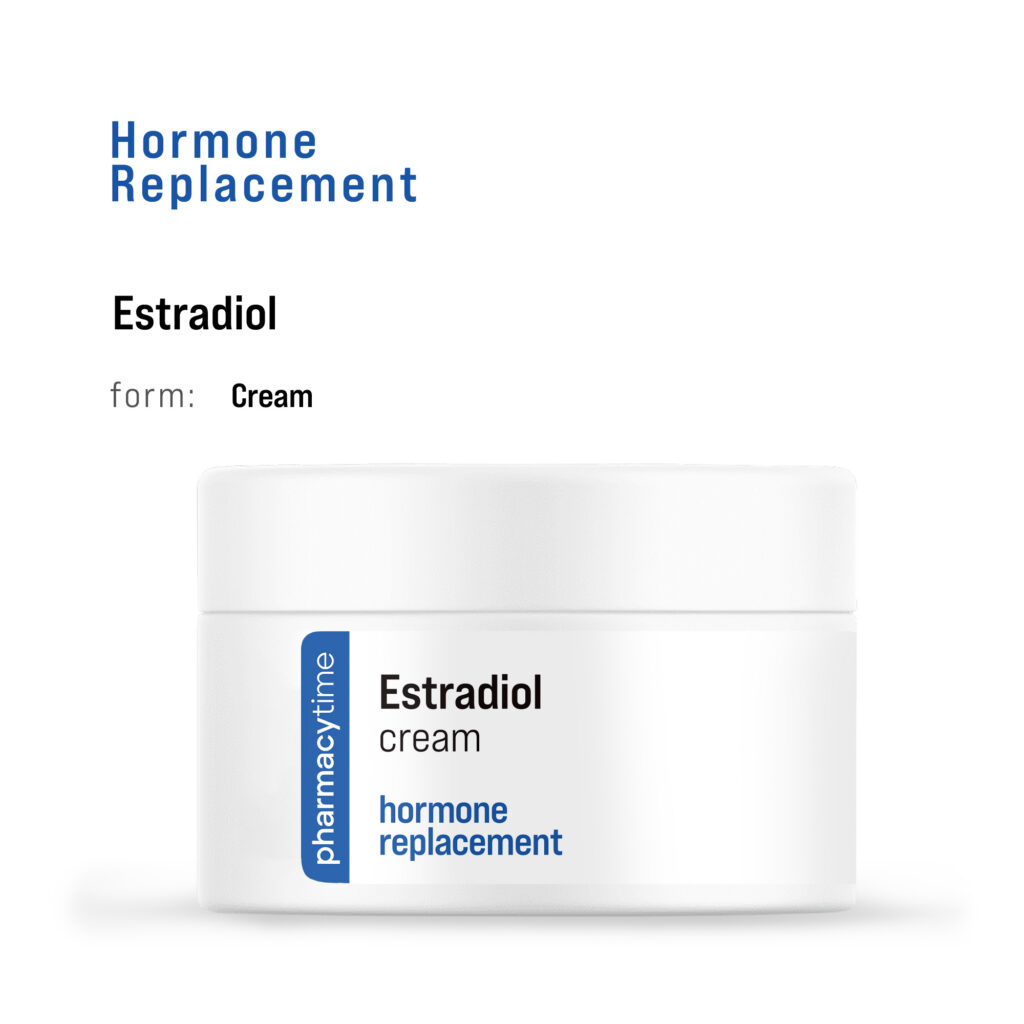


Relieves common menopausal symptoms by supporting healthy estrogen levels. Helps reduce hot flashes and night sweats.
A primary form of estrogen used to support hormonal balance, bone health, mood, and menopausal symptom relief.
in many patients, with meaningful improvements often seen within 4–12 weeks.
Estradiol replaces or supplements estrogen to address symptoms caused by declining levels, helping reduce vasomotor symptoms like hot flashes and night sweats
It also supports tissue health in the genitourinary system, improving comfort and quality of life when dryness or irritation is present
Because estrogen therapy should be individualized, the best outcomes come from symptom-guided dosing, appropriate route selection, and ongoing monitoring for safety
Relieves common menopausal symptoms by supporting healthy estrogen levels. Helps reduce hot flashes and night sweats.

Supports vaginal and urinary comfort by improving tissue hydration and elasticity.

Helps stabilize mood and sleep disruption associated with hormonal changes.

Supports bone density maintenance by addressing estrogen related turnover.

Supports overall hormonal balance when tailored to individual needs and risks.
With the right plan, symptom relief can be both measurable and sustainable.

Estradiol restores estrogen signaling that declines during menopause, which can reduce hot flashes, improve sleep disruption, and support tissue comfort.
What would fewer disruptions and better comfort change for you?
| Comparison Factors | Estradiol | OTC Menopause Supplements | No Treatment |
|---|---|---|---|
| Safety | Prescription estrogen with monitoring. | Variable. | N/A. |
| Administration | Topical, oral, or other routes. | Oral. | N/A. |
| Cost | Moderate. | Low to moderate. | None. |
| Efficacy | Strong symptom relief. | Variable. | Symptoms persist. |
| Convenience | Varies by route. | Easy. | N/A. |
| Regulation & Quality | Prescription. | Unregulated. | N/A. |
| Long-Term Support | Hormone balance and symptom control. | Limited. | None. |