


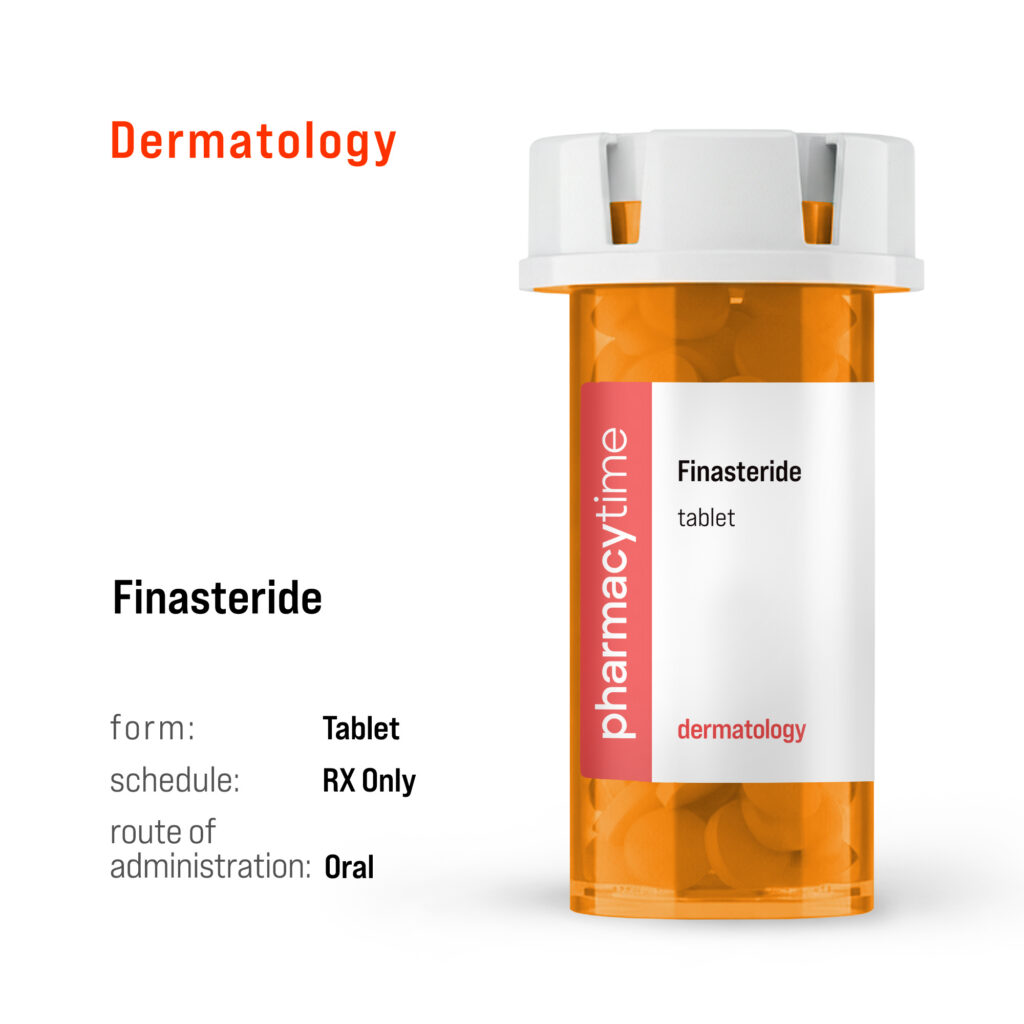


Reduces hair loss by lowering DHT which is the hormone most associated with male pattern thinning. Helps slow progression reliably.
A DHT blocker used to slow hair loss and preserve existing hair by targeting hormonal causes.
and increase hair counts by ~10–15% over 12 months in many men, with continued maintenance thereafter.
Finasteride works by inhibiting 5-alpha-reductase, reducing conversion of testosterone to DHT, which is a primary driver of follicle miniaturization in male-pattern hair loss
Lower DHT helps protect follicles, slow shedding, and support maintenance, with regrowth potential in some individuals over time
Because hair growth is slow, the key advantage is long-term protection and predictable results with consistent, monitored use
Reduces hair loss by lowering DHT which is the hormone most associated with male pattern thinning. Helps slow progression reliably.

Supports hair maintenance by preserving vulnerable follicles at the crown and mid scalp.
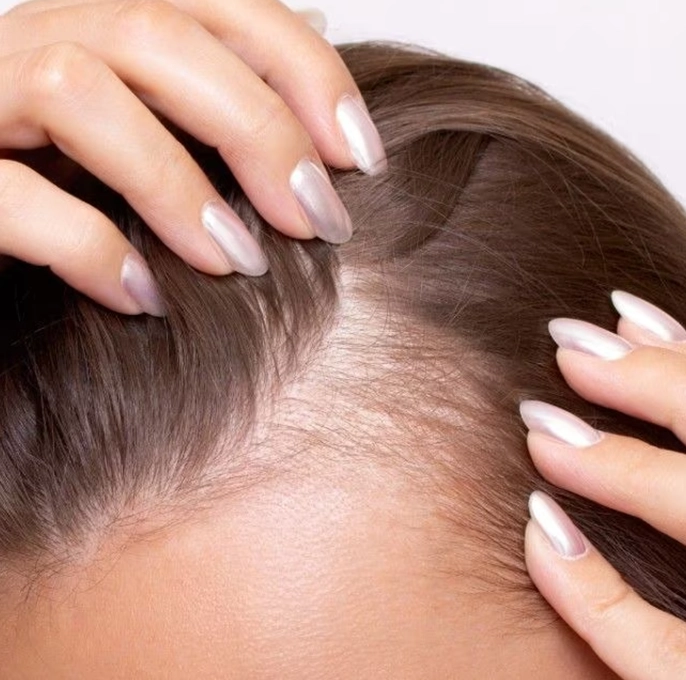
Promotes gradual regrowth in some users by allowing follicle recovery.

Improves long term outcomes when started early and used consistently.

Provides a clinically proven pathway for maintaining hair over years rather than weeks.
Results build gradually and reward consistency.

Finasteride lowers DHT, the hormone that contributes to male-pattern thinning, helping slow shedding and preserve follicles over time.
What would protecting your hairline and density change for you long term?
| Comparison Factors | Finasteride | Minoxidil | Hair Vitamins |
|---|---|---|---|
| Safety | Prescription DHT-lowering therapy. | Well-studied. | Generally safe. |
| Administration | Oral. | Topical. | Oral. |
| Cost | Low to moderate. | Low to moderate. | Low. |
| Efficacy | Strong for slowing loss. | Moderate regrowth. | Variable. |
| Convenience | Daily dosing. | Daily application. | Easy. |
| Regulation & Quality | Prescription. | OTC or prescription. | Supplement. |
| Long-Term Support | Follicle preservation. | Follicle activity. | Limited. |